What Is a Root Canal Treatment?
A root canal saves a tooth that would otherwise need to be removed — despite its reputation, most patients describe the procedure itself as no more uncomfortable than getting a filling, thanks to modern anesthesia and technique.
When it's needed
The nerve and soft tissue inside a tooth, called the pulp, can become infected or inflamed due to deep decay, a crack, repeated dental procedures on the same tooth, or trauma. Left untreated, this infection spreads, leading to an abscess, bone loss around the root, and eventually loss of the tooth entirely.
Signs you might need one
Pain when chewing or applying pressure to the tooth
A tooth that's noticeably darkened compared to its neighbors
Swelling, tenderness, or a pimple-like bump on the gum near the tooth
Sometimes, no symptoms at all — caught only on a routine X-ray
Lingering sensitivity to hot or cold that doesn't fade quickly
What the procedure involves
The infected or inflamed tissue is carefully removed from inside the tooth's canals
The space is thoroughly cleaned, disinfected, and shaped
The canals are sealed with a biocompatible material to prevent reinfection
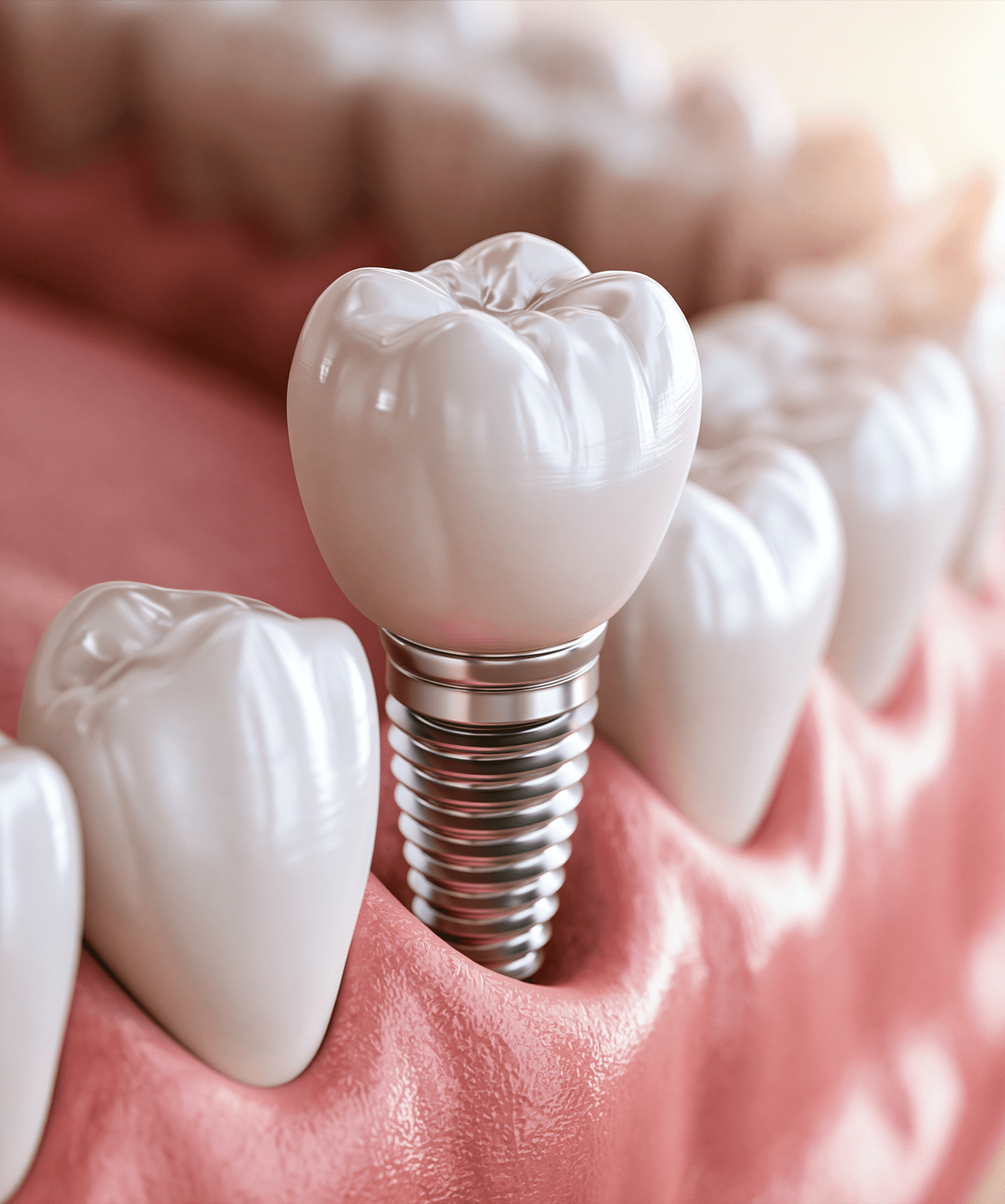
A crown is typically placed afterward to protect the now-weakened tooth structure long-term
Recovery
Most patients return to normal activity the same day, with only local numbness lingering for a few hours. Mild soreness for two to three days is common and generally manageable with over-the-counter pain relief, tapering off well before the end of the first week.
The treated tooth may feel slightly different from the others at first, but with a properly fitted crown, it should look, feel, and function normally for many years — often indefinitely with good oral hygiene.
More Blog